
Hong Kong – The lingering fair
It feels like ages since the 45th Hong Kong Watch and Clock Fair (HKWCF) closed its doors as a physical event. By all accounts, the fair, organized by the Hong Kong Trade Development Council (HKTDC) and other key trade organisations in the city, was a success. Thanks to the Click2Match system, business activities continued happily until September 12.
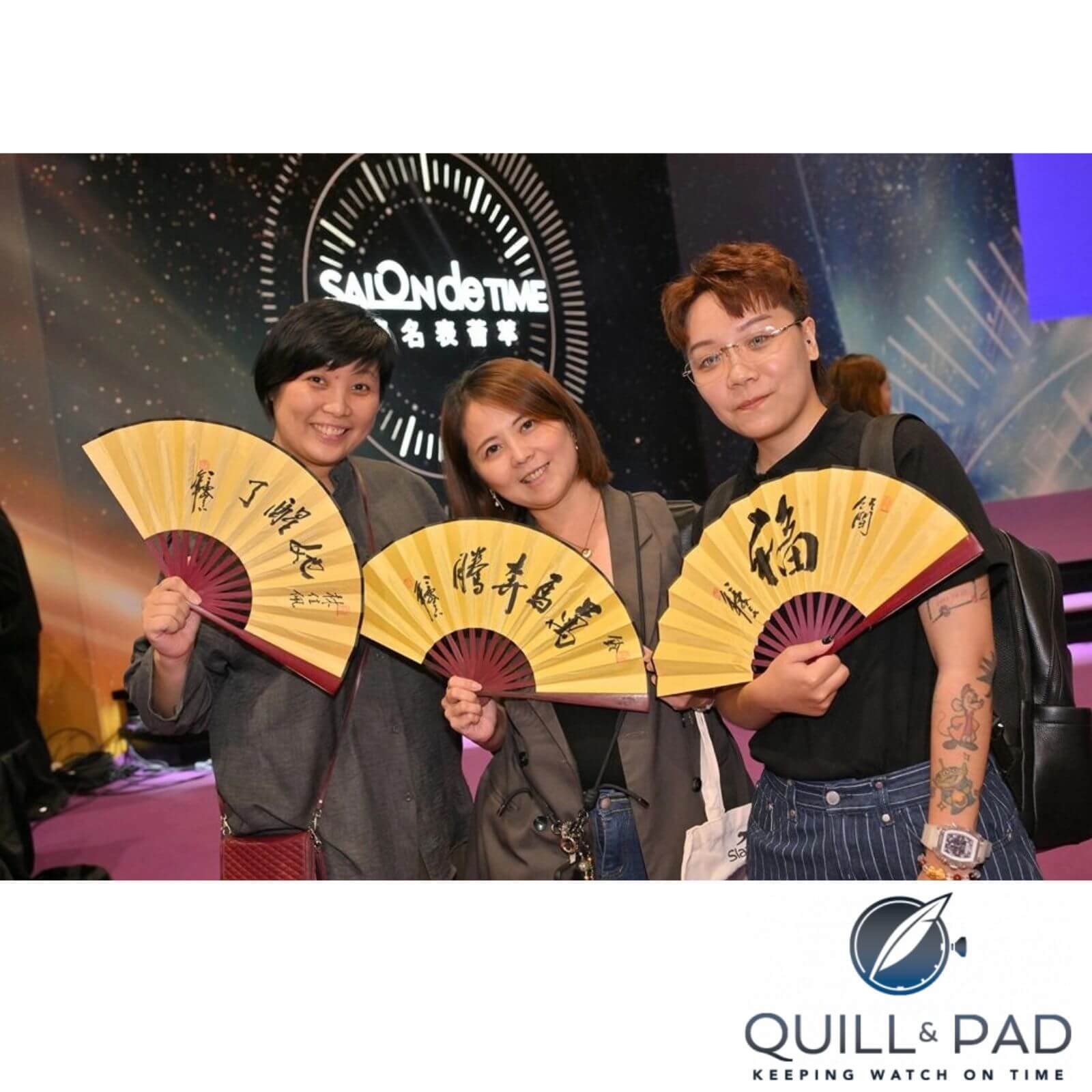
The Hong Kong Watch and Clock Fair attracts young people
The figures say a lot: around 17,000 trade buyers from 115 countries and regions showed up, with strong representation from Asia, notably India and the ASEAN countries, and from Latin America. These are all growing markets, which makes the HKWCF an important event whether you’re building watches or selling them.
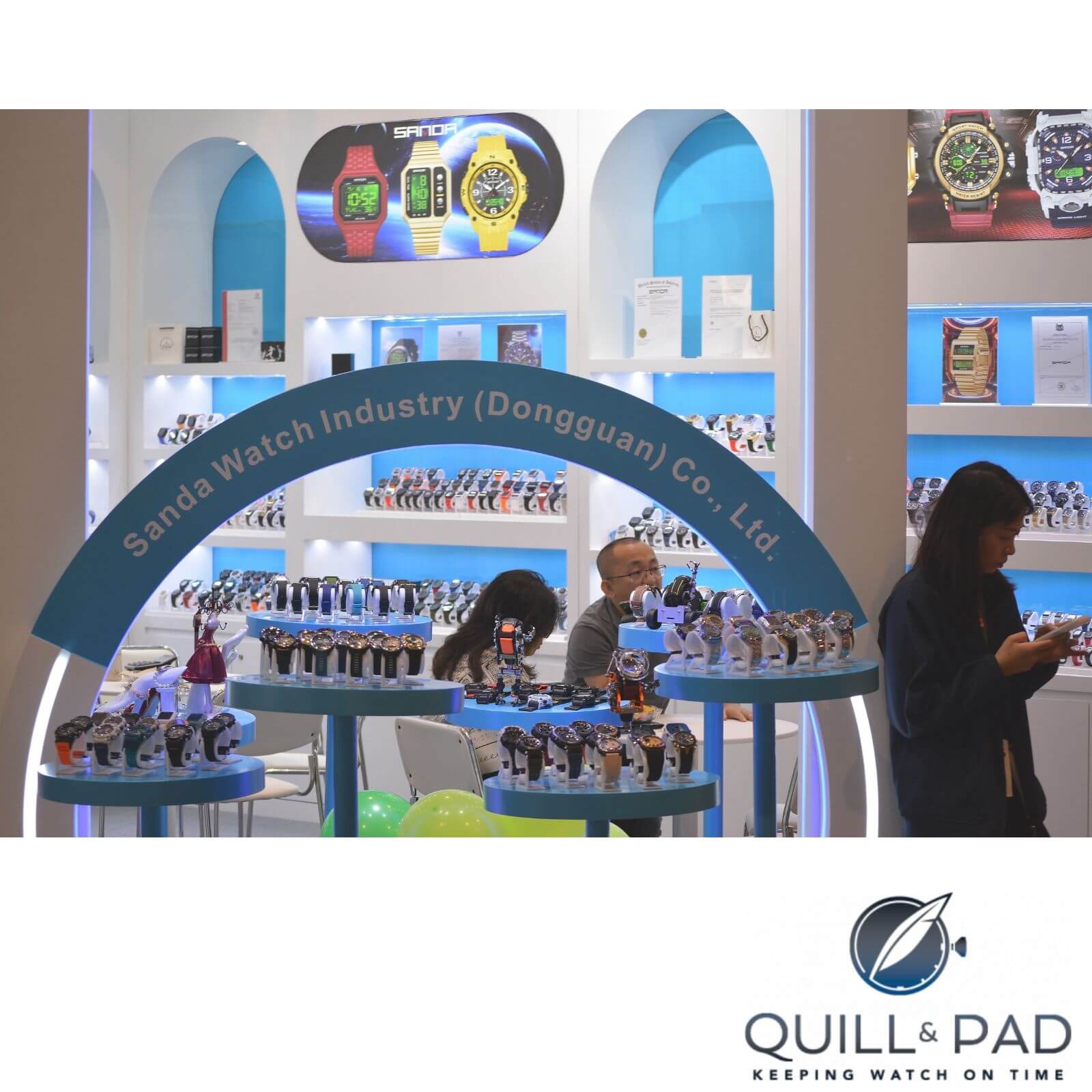
A busy fair for OEM and ODM too
The Salon de TIME, the hall where finished watches (including wearables) are exhibited, drew over 150 brands, with the number of microbrand exhibitors doubling compared to last year. A total of 29 showed up, representing 8 countries and, with them, a range of different styles and aesthetic cultures. Several members of the AHCI came to show their work on their home turf: Lin Yong Hua, Zehua Tan, and Xushu Ma, whose extraordinary Full Lunar Calendar needs ten indications on the dial to capture the various time indications of the Chinese calendar. Cleverly, the Salon de Time was free of charge for the public, and thanks to the neighbouring Centerstage fashion show, it drew over 20,000 curious visitors in all.
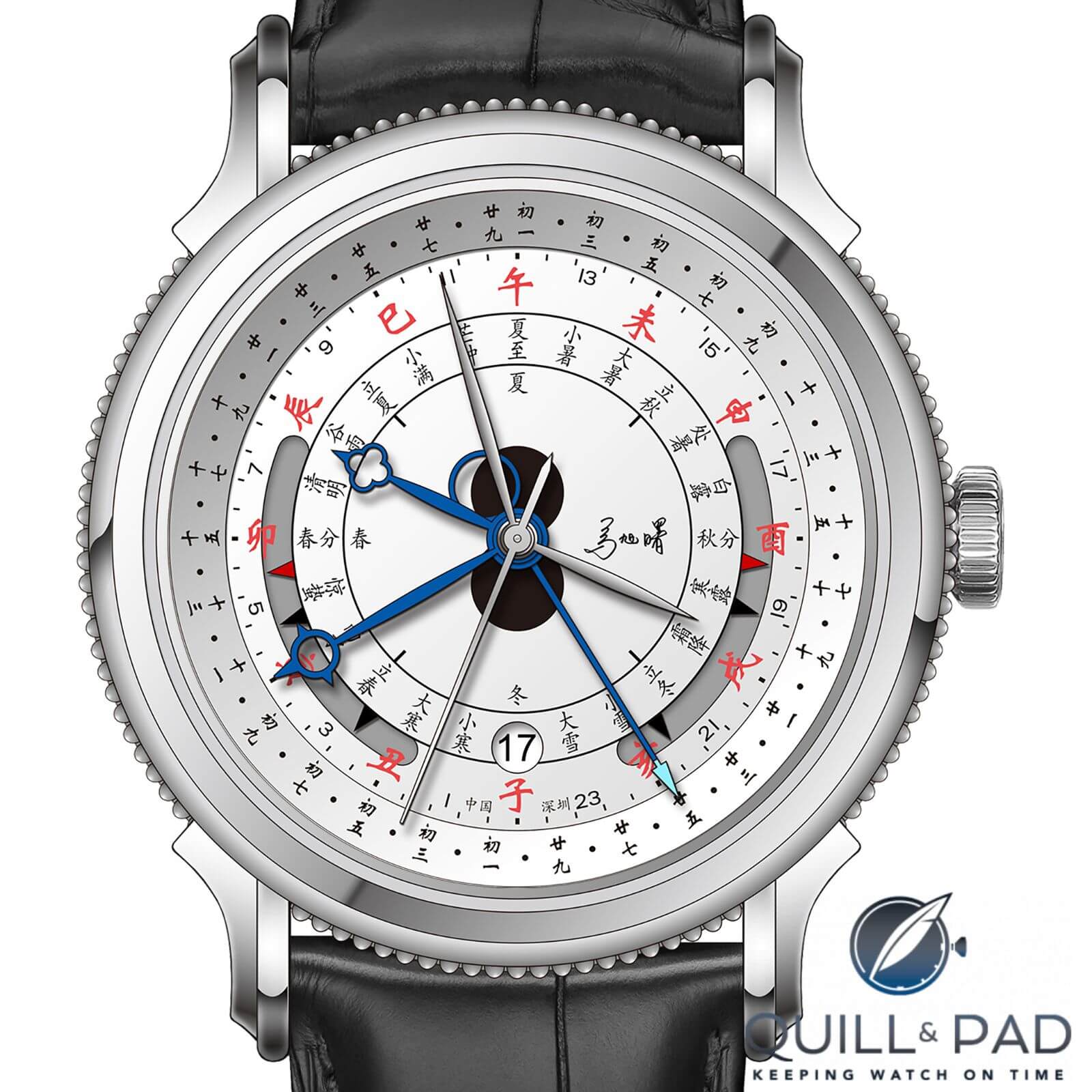
Xushu Ma’s extremely complicated Full Lunar Calendar

The Centerstage fashion show draws a watch-curious crowd
Numbers aside, the Salon de TIME also revealed the rapid transformation of watchmaking in China, as a young generation of eager designers begins to feel its oats. I touched on some of this in my previous posting on Quill and Pad, namely, that the growing national pride in various consumer areas known as guochao has definitely spread to watchmakers, who are increasingly highlighting Chinese elements in their watches. Young Chinese buyers, in turn, are demanding a certain respect for Chinese culture. So: no more angry dragons on dials, note the kindly Chinese dragon with the pearl in its maw.
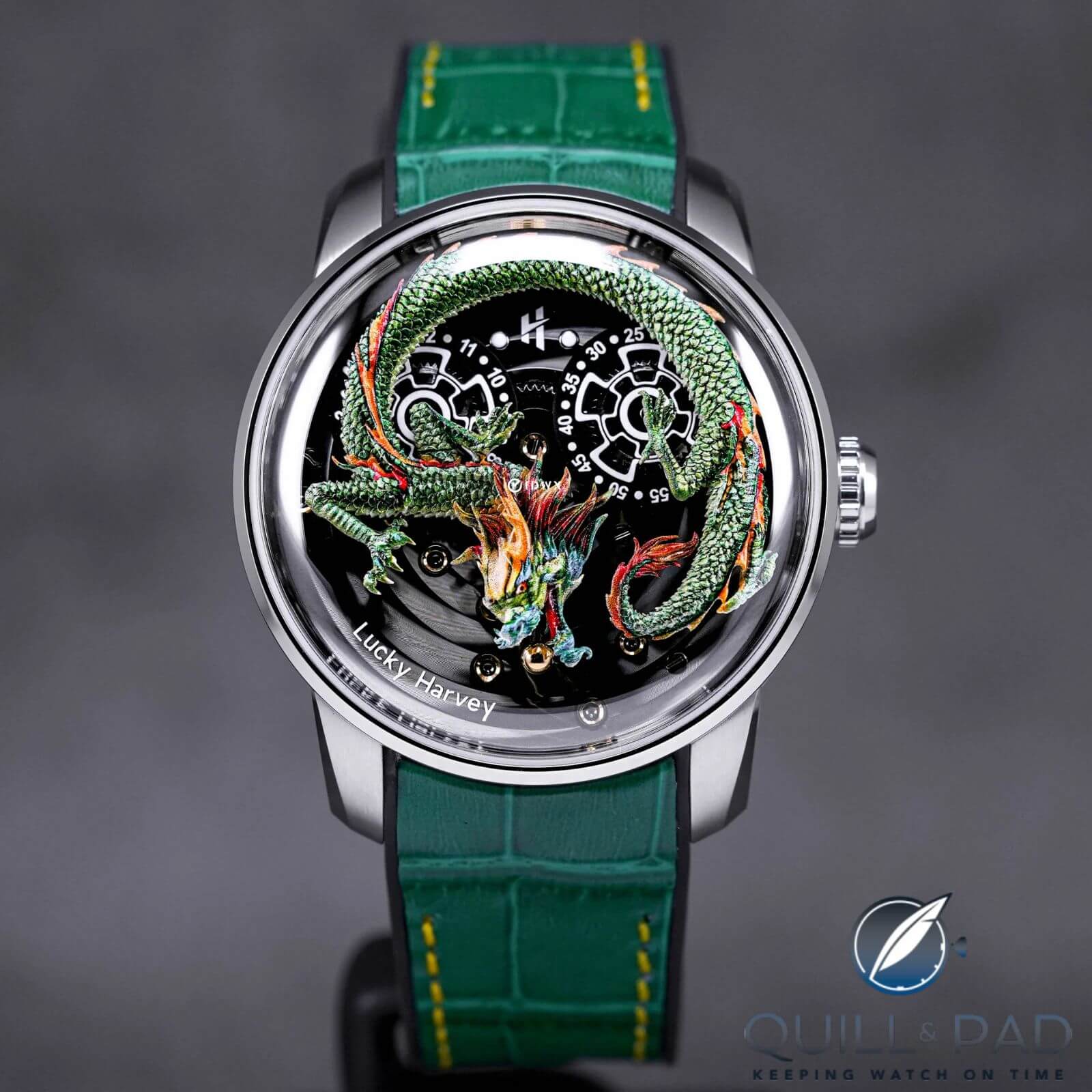
Luck Harvey’s Dragon drops a pearl each hour
The industry here is dynamic, bold, and geared toward every stratum of consumer, increasingly driven by a sense of national pride in its ability to create for a distinctly Chinese identity. Some brands cater to the “serious” crowd, like Shanghai, CIGA Design, or Agelocer, while others take a more playful approach, like Lucky Harvey, which doesn’t shy away from complications, animations, and even repeaters. “No Identity” is in some ways typical of the youthful creativity on display: the watches, some of which bear a vague resemblance to Royal Oaks, are created by an artist known simply as “Labeg,” who makes his prototypes out of plain cardboard.
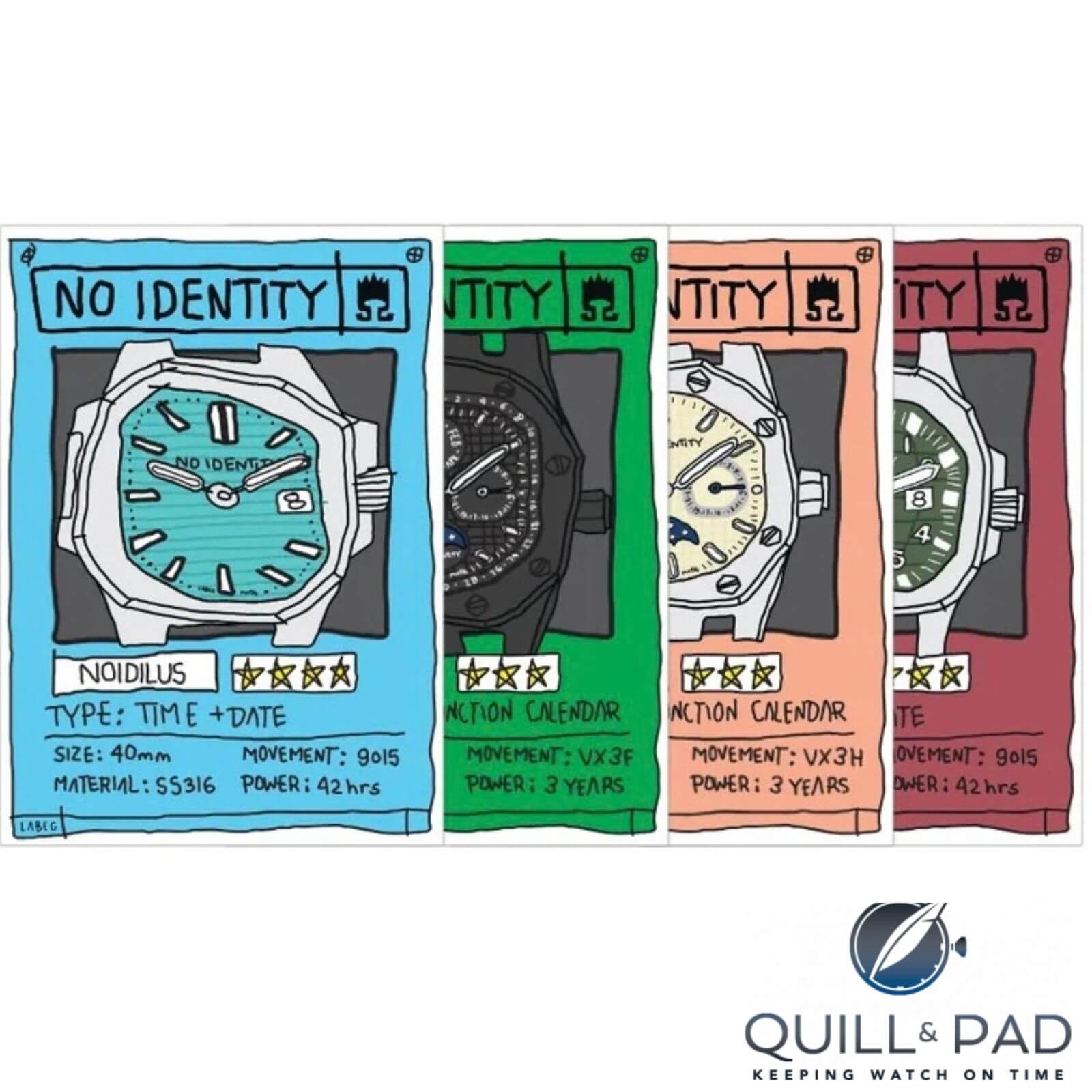
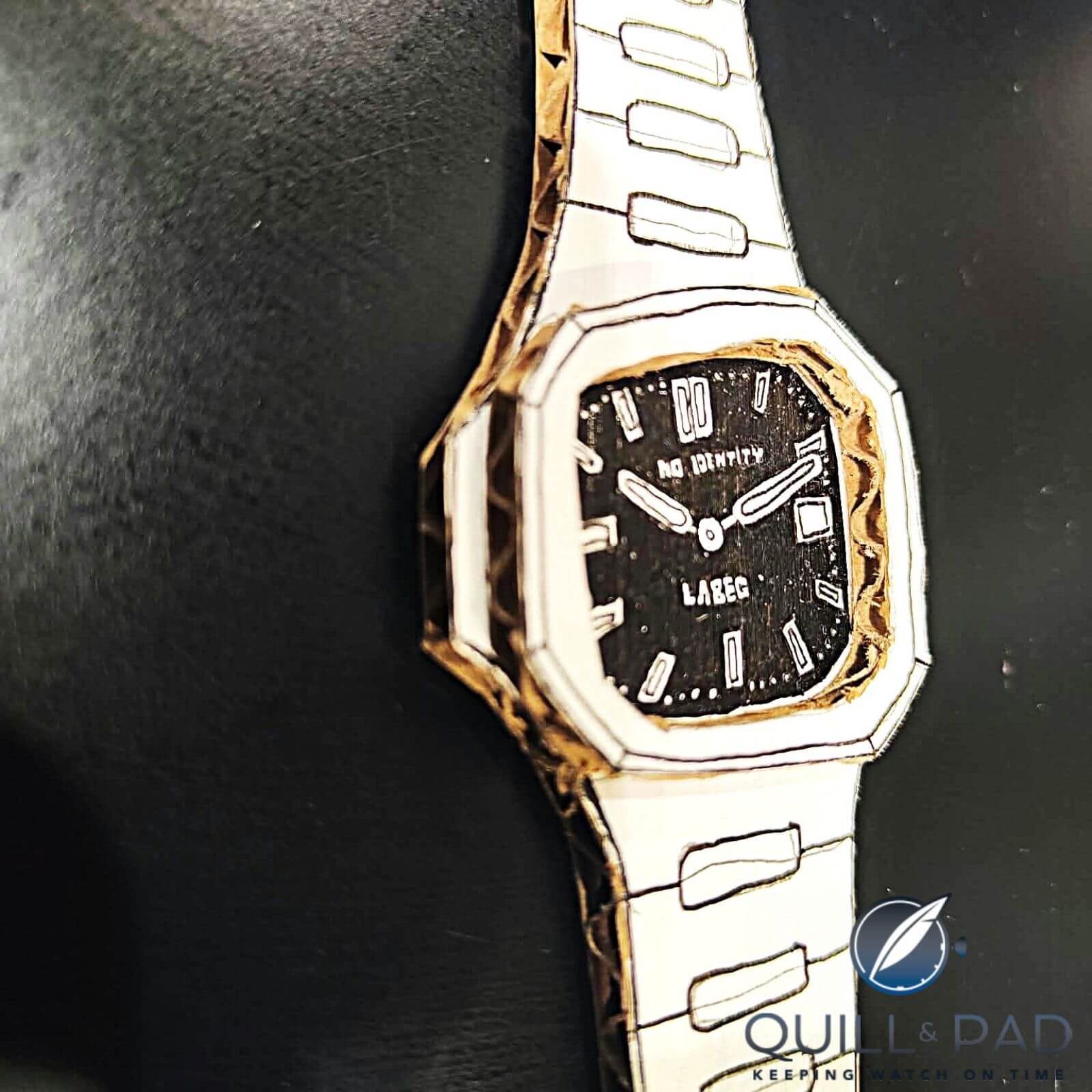
No Identity’s watches begin as cardboard cutouts
I met Itay Noy, founder of the eponymous brand, who summed up this special energy in Hong Kong watchmaking well: “What I found most interesting was seeing the combination of different technologies and the level of sophistication outside traditional Swiss watchmaking. It was also a reminder that a large part of the watch industry is actually based there, even though we tend to make a very clear distinction between high-end and low-end watchmaking.”
In the midst of this lively crowd stood the Swiss Independent Watch Pavilion (SIWP), a beacon of “traditional” watchmaking, much like a kindly grandfather watching over his unruly adolescent grandkids. For European brands, particularly those in the mid- to lower range, having a solid presence in the growing Asian market is crucial, as is knowing where the action is starting to pick up.
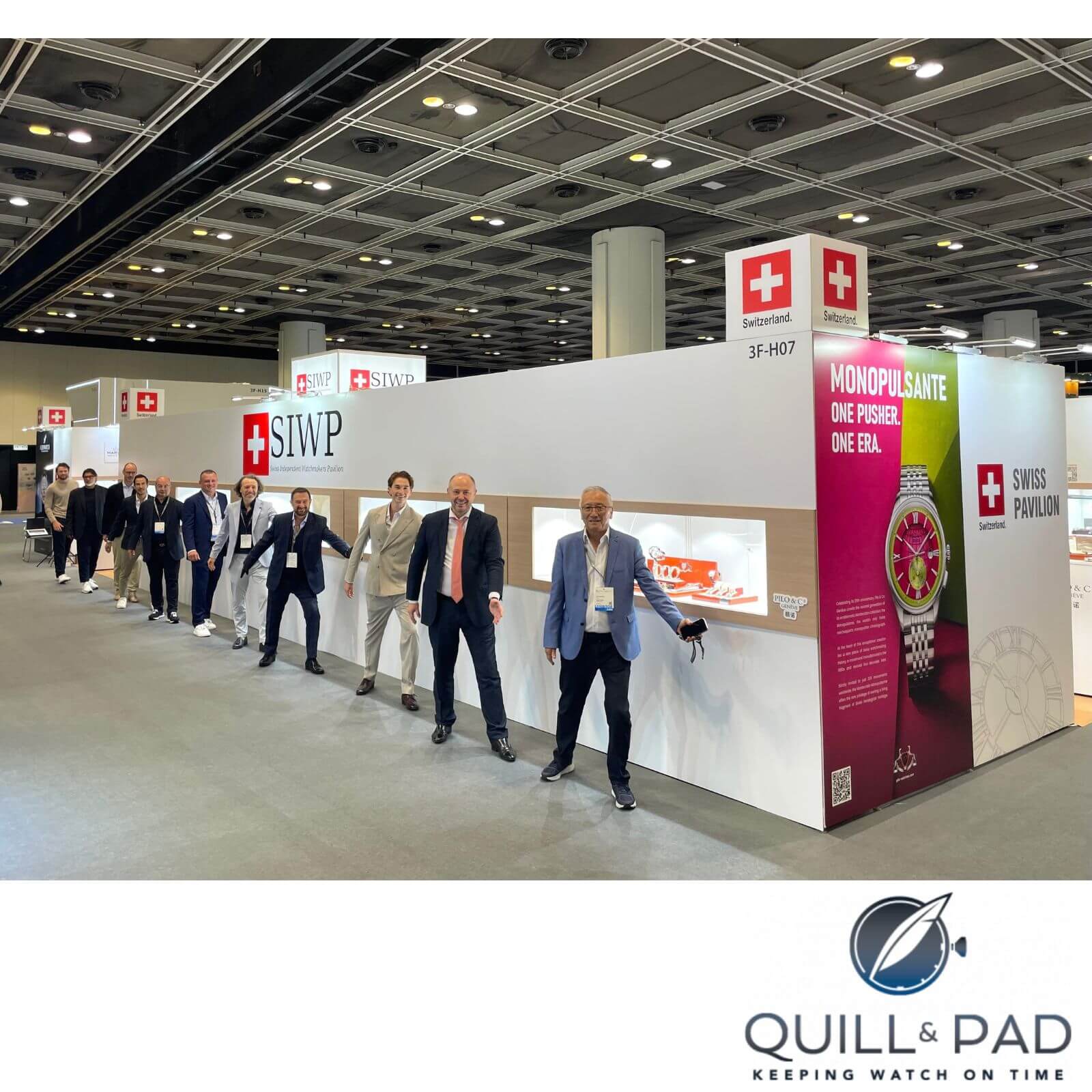
Vintage humour: The SIWP redoing Abbey Road
After visiting the Pavilion on opening day, Daniel Freihofer, Swiss Consul to Hong Kong, said he felt more Swiss brands should be on hand to show their skills. Swiss watchmakers, he noted, “represent the values for which Switzerland is known worldwide and especially here in Asia, like precision, craftsmanship, innovation, design, and everyone loves watches, obviously.”
At any rate, all the Swiss brands present felt the fair was well worth crossing the globe for. Amarildo Pilo, founder of the Pilo Genève and head of the SIWP, agreed: “It was a terrific fair for us, and Hong Kong did a great job,” he told me. “The number of visitors was a little bit down from last year, but the quality of the visits was a lot higher.”
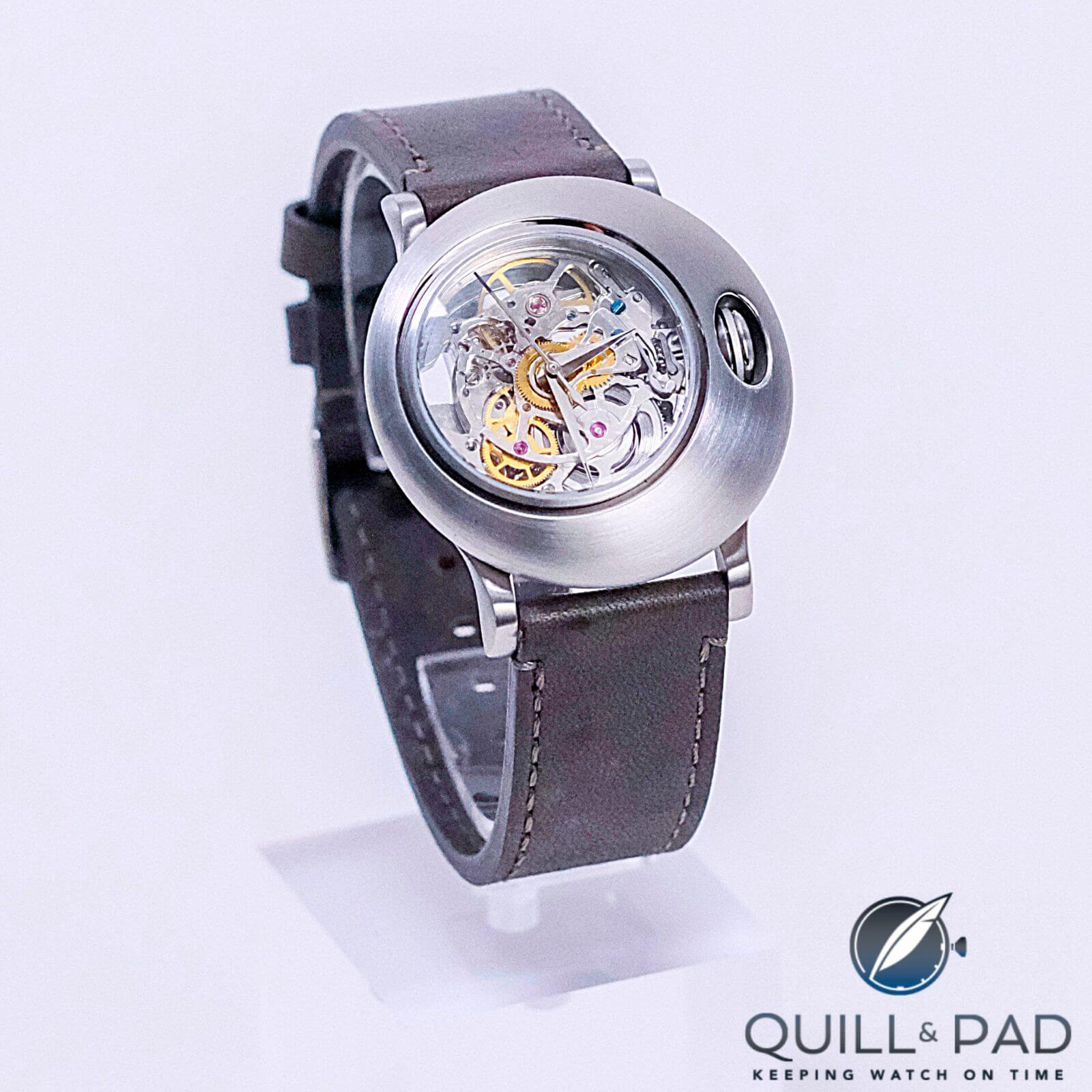
Tectonic Indeterminacy, winner in the Transcending Time category
Hong Kong “Oscars”
Hong Kong, lest we forget, is the world’s second largest trading hub for watches. Not surprisingly, local trade and industry organisations launched a design competition now in its 43rd year, alongside the fair, to, I quote, “elevate the design standards and quality of Hong Kong watches and clocks, foster innovative and creative thinking, enrich the fair’s programme, and boost sales of Hong Kong-made timepieces both locally and abroad.”
This year, two separate groups competed in separate categories. The Open Group was tasked with translating sensory experience into abstract, time-transcending design. The Student Group was asked to capture the wind’s movement as a symbol of life’s limitless possibilities. The results were remarkable.
Channel, channeling old VU meters
Champion of the Open Group was a watch named Tectonic Indeterminacy, by Chan Pak Hei and Yang Tianxu. Its dial sits in an off-center cavity within a pebble-shaped case, for a striking three-dimensional look and feel. The runner-up was simply called Channel, by Wong Ting Bong. Old radio announcers will immediately recognise the inspiration: a VU meter scale, with hands linking time and sound.

Traces of Storm
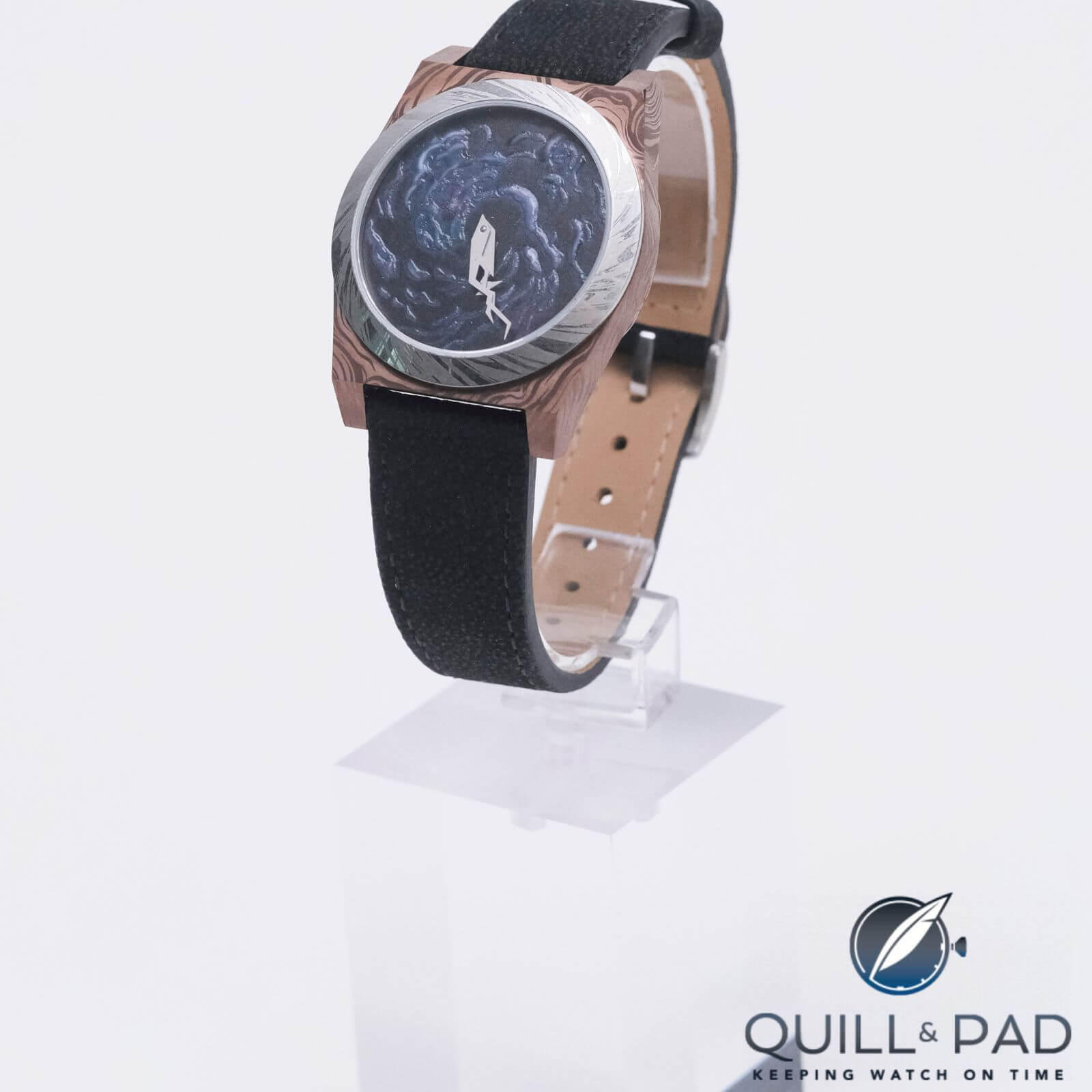
The Student Group, open to full-time Hong Kong students, had a clear winner too: Traces of Storm, by Yip Yuen Sze, with a dark, brooding hurricane dial and lightning-bolt hands. This watch also won the coveted Made-to-Sell Award, meaning it will be produced and made available to consumers. The runner-up to Storm was Running Through the Breeze, by Tam Hei Yiu, whose hour, minute, and second hands are shaped as a girl, a tree, and a windmill, respectively.
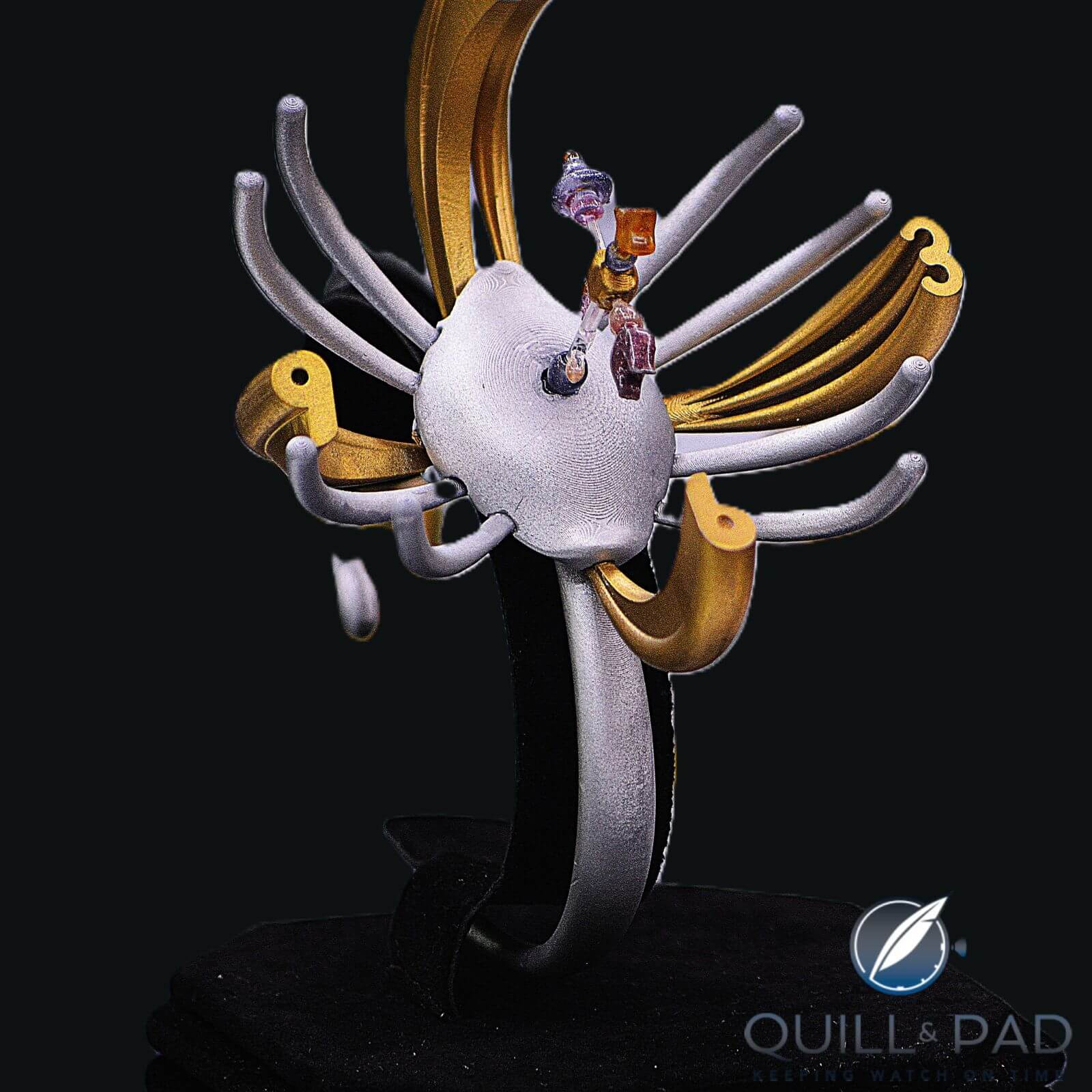
And if I dare say, for me the timepiece – if I could call it that – that needed to have had a separate artistic award, was Carpe Diem, designed by Lo Hoi Pui of the Technological and Higher Education Institute of Hong Kong. Imagine a dandelion seed with its fine hairs, and then a weathervane in the center for hands, and a dragonhead as a pointer. This is more than a watch. It is a kind of time-giving installation and a great normative metaphor for time, life, and how to deal with inevitability.
Read more like this:
Konstantin Chaykin ThinKing Mystery: The Weightless Joker
Hong Kong: It’s All About Energy
A good way to make a watch last forever. Well, almost.
A World in Platinum: The Andersen Genève Communication 45 and the Art of the Worldtimer

