
Wristwatch Precision: Why the Fundamental Purpose of Watches is Playing Second Fiddle and How to Fix This
by Martin Green
One of the biggest challenges for watchmakers has always been how to make their timepieces as precise as possible. This quest for precision was tied closely to the advances we tried to make as a species. The longitude problem could be solved thanks to marine chronometers, allowing ships to truly explore the seven seas.
The United States grew closer together as a country thanks to the railroads, which were efficiently and safely operated thanks to the precision of the pocket watches that the staff were equipped with. While electric and tuning fork movements already made a dent in the superior precision of mechanical timekeepers, it was quartz that would diminish the flame entirely.
The proof is in the pudding
In a touch of irony, the mechanical watch rebounded into a renaissance but left the quest for ultimate precision behind it. While it is common knowledge that even a mechanical watch from a very esteemed brand is no match for the cheapest quartz watch you can buy at Walmart, superb precision is no longer the main reason to spend a significant sum of money on such a timepiece.
However, as the sole purpose of a mechanical watch is still, apart from when equipped with certain additional complications, to measure time, it cannot entirely detach itself from this. A certain degree of precision is still demanded, as it would look foolish if your expensive mechanical wristwatch made you late for a meeting or miss your train, but once mediocre precision is established, most collectors look no further.
————————————————————————————————————–
—————————————————————————————————–
The Chronometer-certification (COSC) is a way in which manufacturers can prove beforehand to (potential) clients that their watch movements are a certain degree of precision. My very first high-end watch came with such a certification. but was back in the store to be recalibrated as it didn’t run even close to being as precise as it should have been.
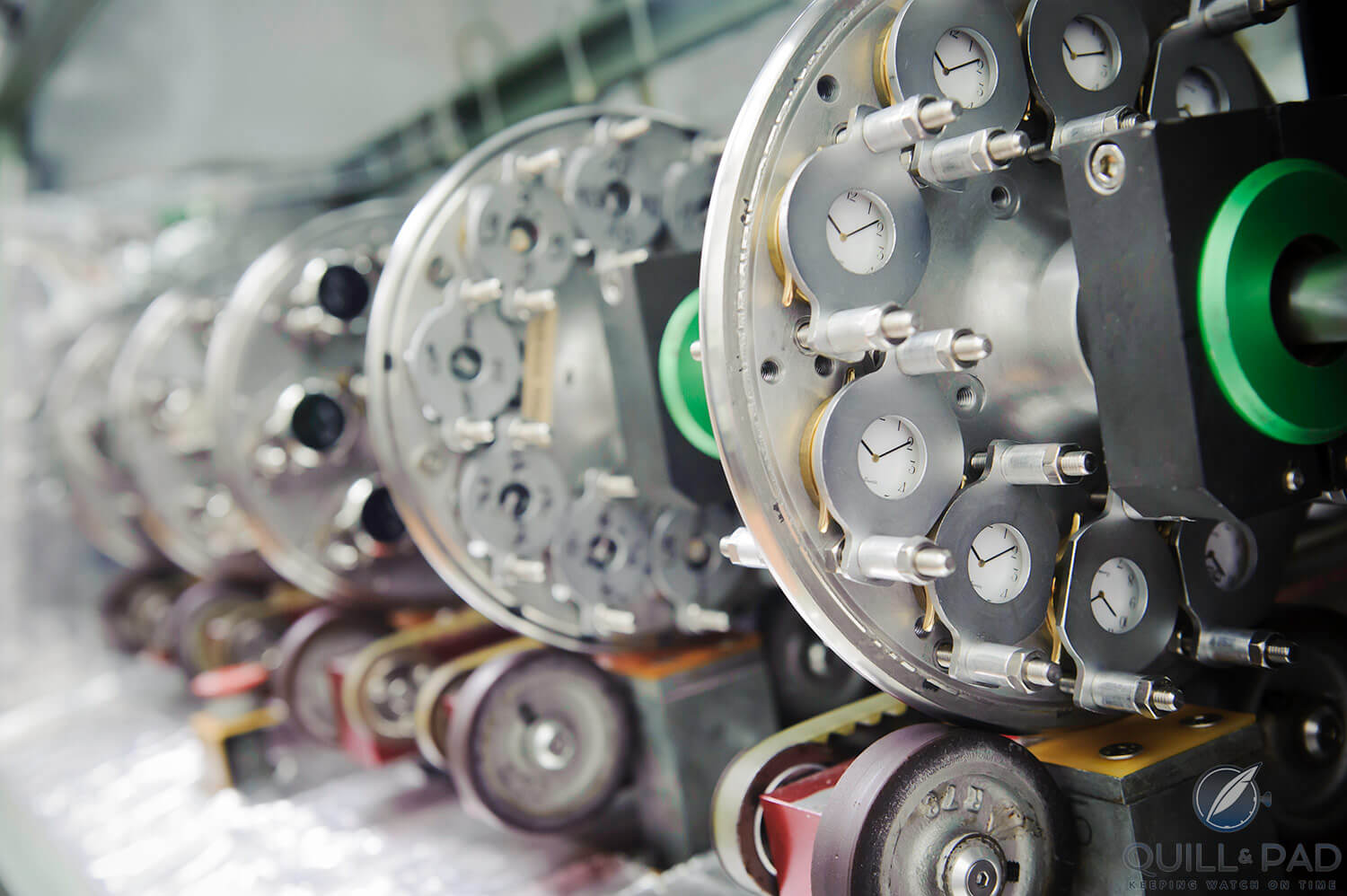
Here, we see the first obstacle: to merit a Chronometer certification, the movement only is tested in a laboratory under controlled conditions. After it is certified, the movement goes back to the manufacturer to be cased, shipped, and sold. All these three steps can affect the precision of the watch, as testing a movement in the Swiss Alps and selling it in an entirely different climate on the other end of the world, will likely have an effect.
This is not a huge problem, as the chronometer certification can also be seen as a promise of precision, and usually, a simple recalibration is all that is needed.
As precision and watches are so closely connected, many watchmakers are continuing to perfect the mechanical movement. This is probably the only industry in the world where so much money is invested i, and made with obsolete technology. Again, that cheap quartz watch at Walmart will probably beat most of them.
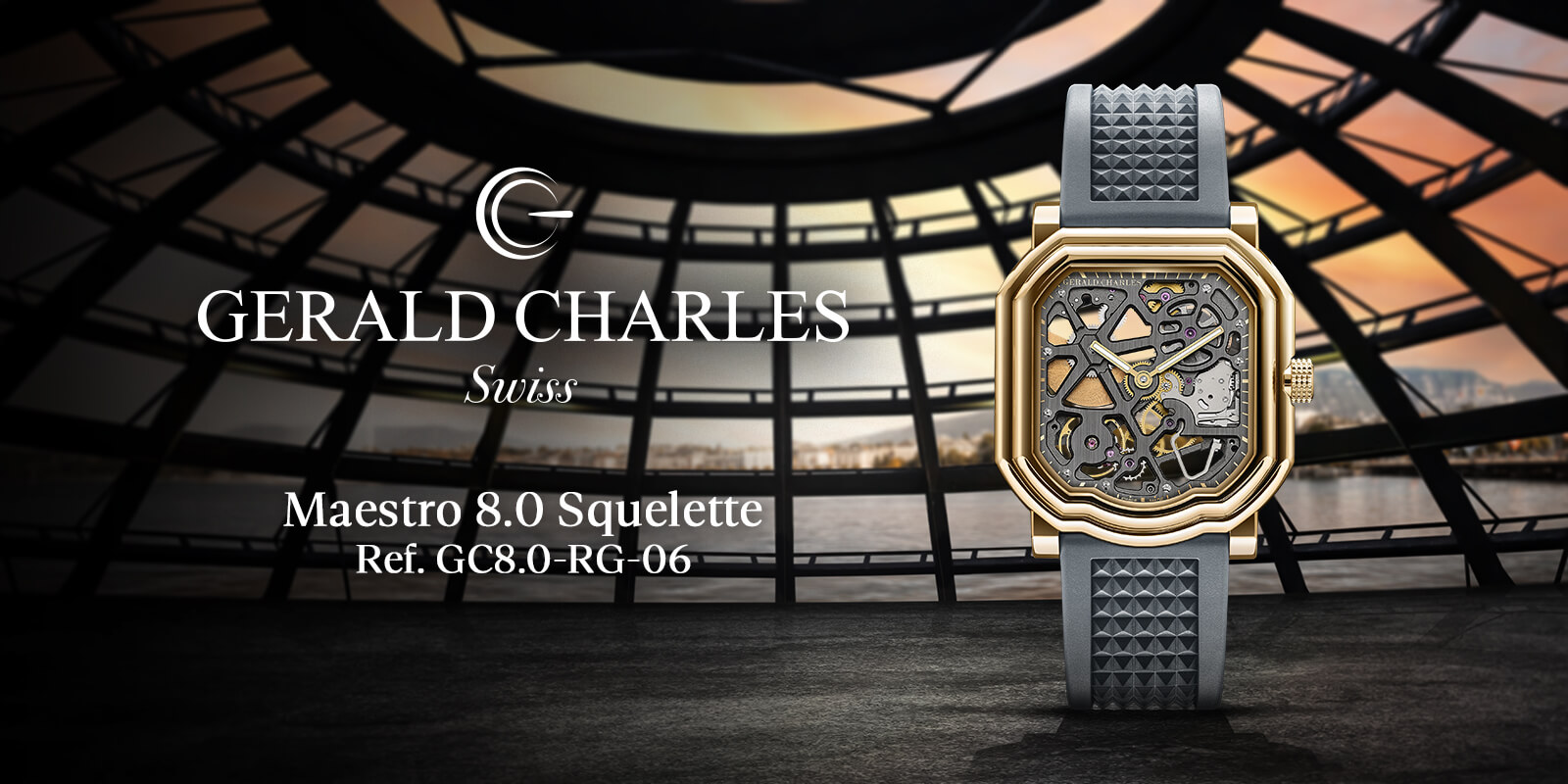
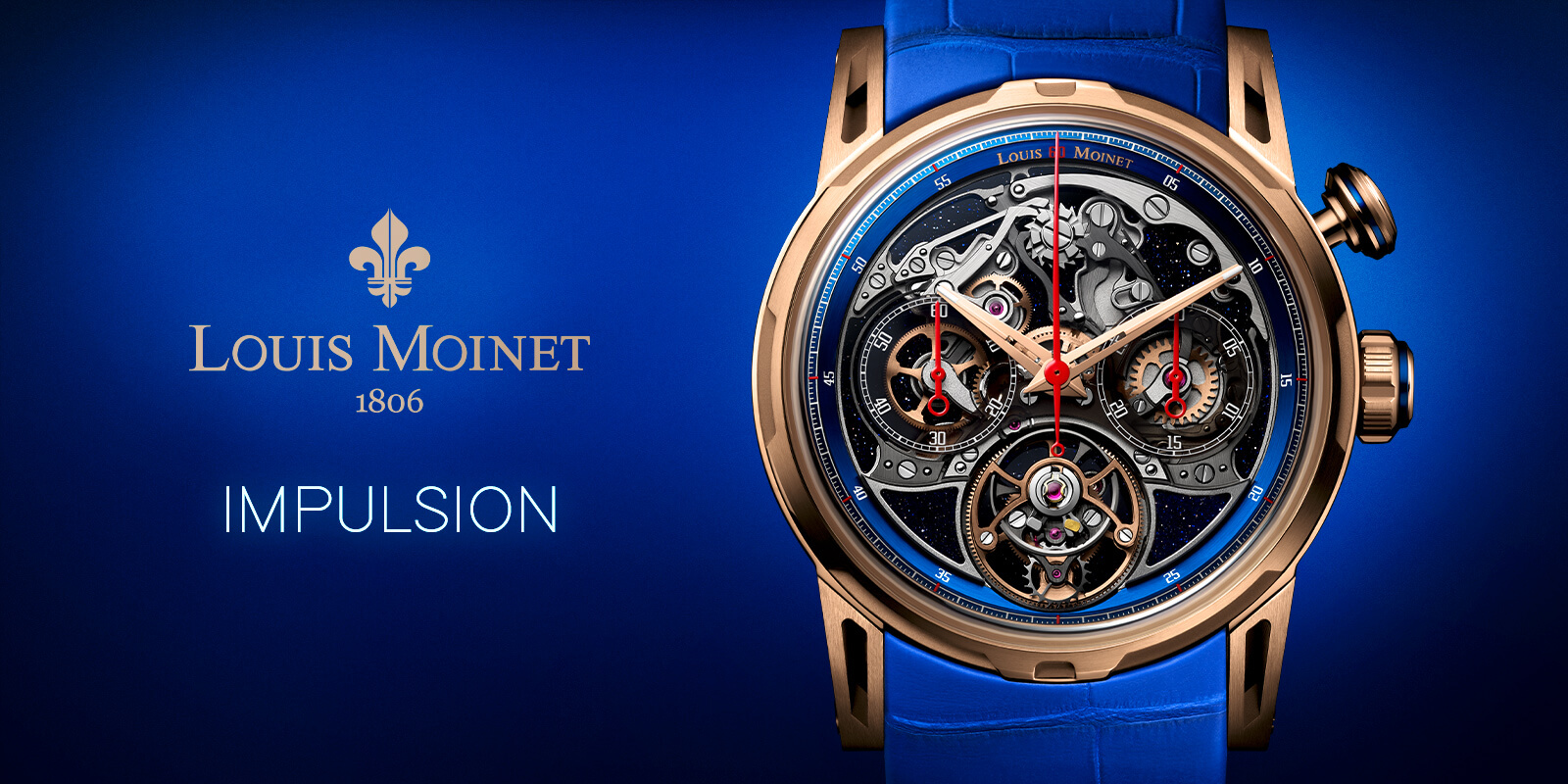
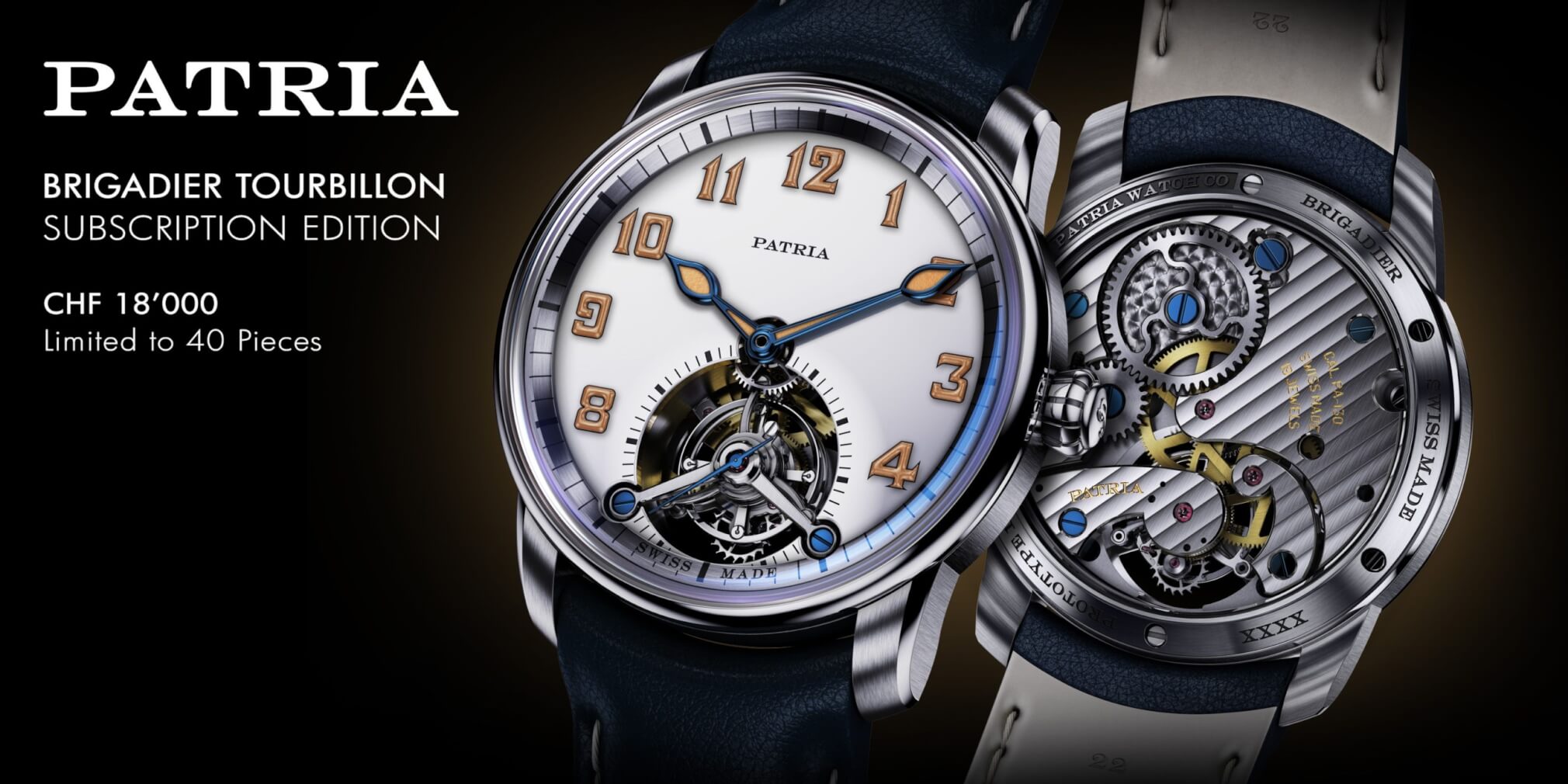
Probably, because with a lot of these solutions, we really have no idea if theyresult in a more precise watch. Brands add tourbillons in every shape, size, configuration, and inclination, offer constant force mechanisms, and experiment with new materials such as silicon and diamond coatings.
—————————————————————————————————–
—————————————————————————————————–
Press releases are filled with lines telling how great these developments are and what a breakthrough for the industry, but what they often don’t show are the numbers that show the positive effect on the precision of the watch.
The truth is that this is often also quite difficult to establish. What are you comparing it to? Suppose it is a further development of an already existing movement. In that case, you have a way to achieve this, but with an entirely new movement, you can only show its current precision, often based on conditioned testing in a workshop. This would help but still make comparing challenging and often not fair.
Precision can best be established by an independent authority, and in the past, there were competitions for this, the so-called observatory trails. This tradition came forward out of the longitude problem, which could only be solved by having a very precise timekeeper on board your ship.
 Observatories became the place where precision was tested because they determined the precise time from the stars. In particular, the one in Kew, United Kingdom, was popular as in 1885, they established a 100-point system to grade the precision of watches, with ratings for temperature compensation, rate variation, and constant rate. This transparent system made it easy to compare performance.
Over the years, precision competitions became popular, and achievements were even advertised as a testimony to how good a brand was. Brands even developed special calibers to compete in these challenges, and a specialist watchmaker to fine-tune them for optimum performance.
This sounds very much like the Formula 1 for watchmaking, and it was. The competition was crazy, and the difference between winning or coming in second could easily be 1/10th of a point. The competition was so fierce, and the performance of the watches so good, that they even established something called the ‘Craftsmanship Test.’ To make it, you had to be outstanding, which is also proven by the fact that in the 27 years that this test existed, only 12 watches made it.
Unfortunately, all good things come to an end and the last Swiss observatory trial was held in 1968 by the Geneva Observatory, with the Swiss quartz Beta 21 movement winning the top 3 places in the wristwatch movement category and Seiko winning all the prizes from 4th to 10th with their mechanical movements.
—————————————————————————————————–
—————————————————————————————————–
It’s about emotion
As a car enthusiast, I should be all over electric cars. They have all their power, and lots of it, available right from the start, making them tremendously fast. As most also have no need for a gearbox, you can enjoy all this power constantly until they reach their top speed.
The problem that I have is that when the initial intoxication of that speed and power wears off, such cars often lack emotion. For similar reasons, I always get excited when I get to test a new smartwatch, but am usually not sad when I have to send it back after a week or so.
Mechanical watches have become about so much more than precision. They are status symbols, works of art and passion, a testimony of human ingenuity, and much more. Precision, as long as it reaches a certain standard, plays second fiddle. What brands do to innovate in this field is often more appreciated because of the technical ingenuity rather than the direct contribution to enhanced precision.
As mechanical watches are now driven by emotion, there is not even a problem with poor precision, unless you are looking for it.
—————————————————————————————————–
—————————————————————————————————–
How to fix this, if we want to
But how can we make strides for those who want high-end mechanical watchmaking to be more about precision again? It is unlikely that the observatory competitions will return in full swing. Even when all achieve outstanding results, they are still measured as winners and losers. In the watch industry, they are not fond of such a predicament.
The car industry has a vastly different view, fiercely competing in events like the Formula 1 or the 24 Hours of Lemans. Wins will perhaps result in better sales, but losing will not mean automatically that sales are lost because of the brand recognition in taking part. It is the spirit of competing that counts, but the watch industry is not the car industry, so a different approach might be more favorable.
Car manufacturers often test new technology on the racetrack, so why not compete with prototype watches, as this is basically what brands did in the past? The watchmakers that tune these watches can take the role of the F1 drivers, become the face of the brand in these contests, and explain the technology.
Like the F1, we can even have contests in different climates, not only allowing the watches to travel the world and become a local event, but also to see how they react to a different environment.
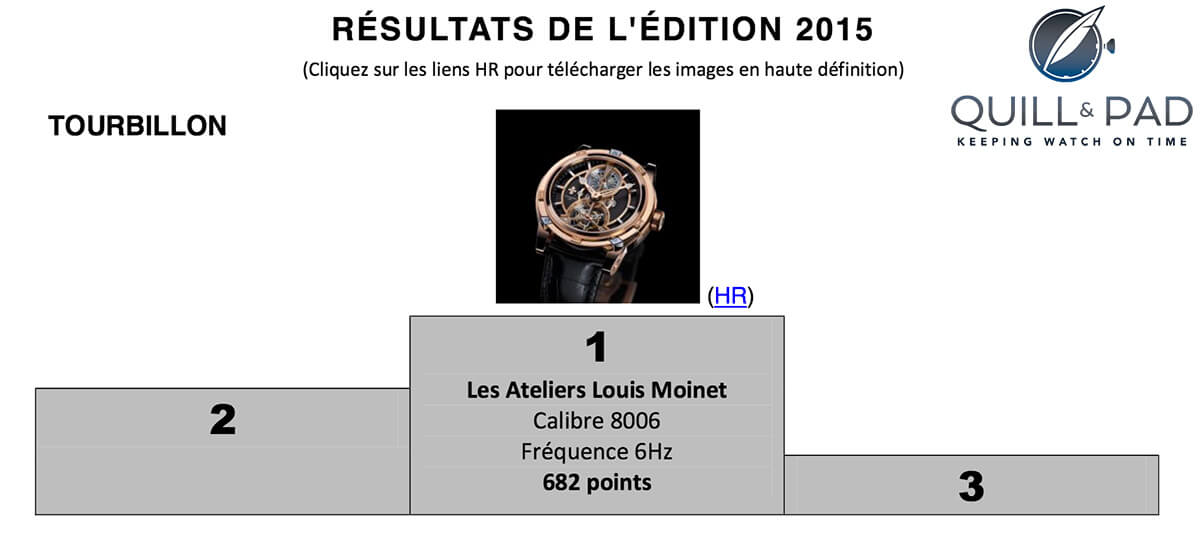
Winner of the Tourbillon category at the 2015 International Chronometry Competition was the Louis Moinet Vertalor, but no watches qualified for 2nd and 3rd place
While established brands might still consider this too risky, quite a few younger brands are probably eager to establish themselves by showing what they can achieve. Even using the scale developed at Kew and applying it to production models of watches could give an independent and transparent way to compare performance.
While some brands might still find this scary, it could bring the quest for ultimate precision back into mechanical watchmaking on a larger scale.

Further reading: Rates of chronometers and watches on trial at the Observatory, 1766–1915
You might also enjoy:
Why Accuracy Matters To Me, And Why It Should Matter To You Too
Why The International Chronometry Competition Needs To Change Format Or Sink Into Total Irrelevance
2015 International Chronometry Competition Now Underway, But Does Anyone Care?
Leave a Reply
Want to join the discussion?Feel free to contribute!


Correction on the Japanese entries to the observatory competitions. Their mechanical movements competed and soon did very well. It wasn’t due to quartz movements beating mechanicals.
Thank you Chia, we will correct that.
Regards, Ian
The proof of the pudding is in the eating. The big brands ate enough of it to ever want to eat anymore. Theyd rather just advertise they are incredibly accurate.
How about a chronometer competition for individual watchmakers? Give all entrants the same basic calibre and have them regulate it, like many firms did with the Peseaux 260 years ago.
I like that idea very much, James. This will also give (relatively) unknown watchmakers the chance to get in the spotlight and show what they are made of.