
Online Sales Aren’t The Future Of Watch Retail, They Are The Past (Watch Brands Are Just Slow): The Future Of Online Sales Is Dynamic, The Future Of Watch Retail Is Flexible Pricing
by Ian Skellern
The digital online world has revolutionized the world of retail business by cutting out middlemen (distributors and retailers) and enabling brands (with the help of targeted advertising) to both reach their end customers directly and to collate and manage information on their customers ever more efficiently.
And while we praise groups like Richemont for their “forward-thinking” digital strategies (see Joe Thompson’s excellent analysis at Richemont Retools For A Changing 21st Century Marketplace), it’s worth bearing in mind that truly forward-thinking companies like Dell, eBay, Apple, and even Antiquorum have been successfully selling expensive products online for more than a decade.
Selling online is not a revolution
There is nothing revolutionary about using proximity to the customer as a sales strategy. The main reason watch brands develop sophisticated networks of distributors and retailers is so they are closer to potential customers, serving those customers better and reacting to customer issues more quickly than they could by trying to manage all international sales from a central hub.
A sales website is just moving the shop front from the center of town to the potential client’s home: it’s certainly more convenient, but hardly a revolution any more than opening a new boutique closer to the customer’s geographical location is a revolution.
Selling online does not address the grey market problem fueled by excess supply and insufficient demand
For all of the talk about Richemont buying Watchfinder, a large used-watch platform, as a way of addressing the grey market, I’m not convinced it’s enough.
While having more options to shop online will be a definite plus to consumers, digital sales are unlikely to have much impact on reducing the grey market because it is powered by the rigid pricing and distribution restrictions imposed by brands on retailers and distributors.
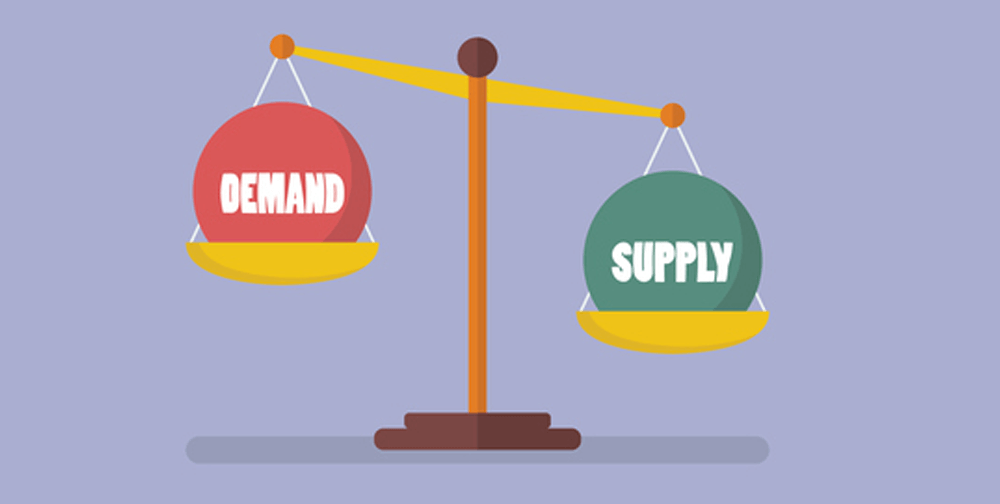
There are only two things that truly dictate pricing: supply and demand. And if supply and demand are out of balance, then (under the present system with rigid prices) you have to prop up the fixed price with ever more elaborate (and expensive) support, which opens the door to grey market dealers offering the dynamic pricing the market demands rather than the brand or retailer simply being able to raise or lower prices with changing supply and demand.
Dynamic pricing isn’t new, it’s already pervasive
Dynamic, or flexible, pricing, especially if set – or strongly influenced – by the market rather than the brands, might seem crazy at first glance and a radical strategy, but let’s take a closer look.
First, it’s worth bearing in mind that centrally setting prices with little regard for supply and demand is something that control and command economies like the USSR and China were known for.
Fixed-price currencies create a thriving and expensive black market. Flexible exchange rates at fair prices result in virtually no black market.
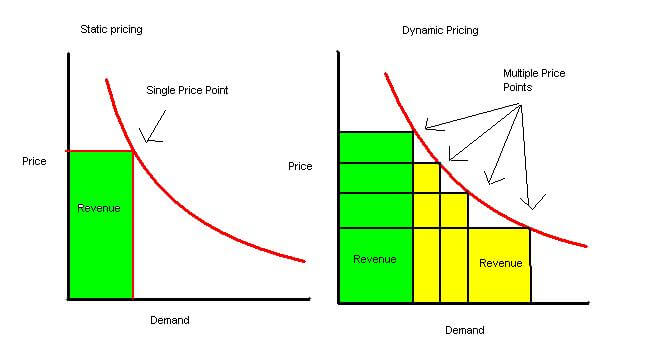
Dynamic pricing: auctions do it; airlines do it (even in first class); luxury hotels do it; service stations do it; and currencies do it.
Why are so many auctions houses among the most successful online sales platforms? I posit it’s because they have relatively transparent pricing driven by supply and demand.
And think about this: we are no longer surprised that prices for flights, hotel rooms, and petrol are continually changing to reflect demand. I’ve just checked and on the same day, virtually identical business class seats flights from Geneva to New York cost $1,000 more or less depending on the time of day (aka, demand).
The real future of watch retail
Here’s how I see the future of watch retail:
1. Thinning of retailers so we are only left with the best (location, service, knowledge, range).
2. Customers will be able to try before buying online in both multi-brand retailers and mono-brand boutiques, with commissions going to whoever facilitated the sale.
3. Prices (both on- and offline) will vary according to supply and demand. Collectors should be prepared to pay through the nose if they want one of those first new Royal Oak limited editions soon after launch, but might pay half if they are prepared to wait until demand drops, with the risk of missing out or potentially paying more as demand soars. Think new iPhones.
The grey market will have no reason to exist as authorized retailers (online and offline) will be able to adjust their own pricing to demand rather than have to go through the muddled and expensive process of the grey market for the same aim.
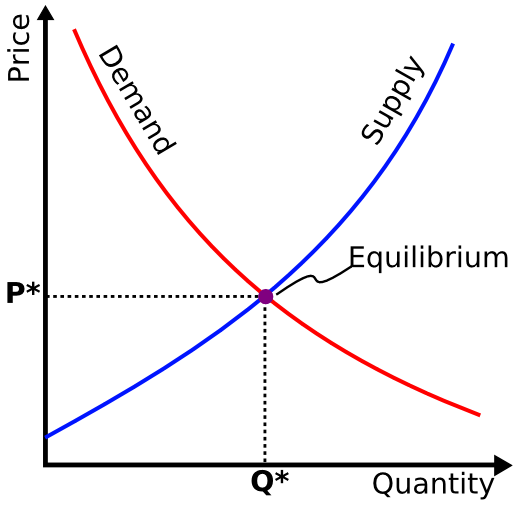
Dynamic pricing keeps supply and demand in balance, and if the brands do not incorporate dynamic pricing then as in every other industry with relative rigid pricing and production with flexible demand, a black or grey market will form to relieve the pressure.
If watch brands and groups have not started discussions about incorporating dynamic pricing into their retail strategies, then they are likely to find that simply selling online isn’t so much a revolution as just a digital version of the same old thing.
There is another way, but . . . promise you won’t laugh
There is of course another method of managing fluctuating demand with rigid pricing, but it’s so ludicrous to think it might be adopted by the large haute horlogerie brands as to be only theoretical: dynamic production, i.e. only producing what you can sell. I know, sounds crazy doesn’t it?
The reason large manufacturers cannot help but continue over producing is because they are high-volume, mass-market manufacturers used to the high profit margins that low-volume exclusivity brings. Those profit margins are something else that will diminish to something closer to mass-market norms.
If brands stop forcing retailers to buy watches they know they can’t sell then the grey market and discounting problems become solved at a stroke. But watch brands cutting production? I’m a dreamer, but not a fantasist!

What about you? Would you welcome dynamic pricing or does it scare you?
You might also enjoy:
Analysis: Why Is Richemont Buying YOOX Net-A-Porter Group (YNAP) Again? Hint: It Has To Do With Amazon
Navigating The Grey Market: A Retail Expert Explains The Whys And Wherefores
A Cautionary Tale On Buying New Watches Online
Bricks And Clicks, Bricks Or Clicks, Just Clicks? There’s A Watch Retail Tsunami Coming, But How, What, When . . . And Why?
Leave a Reply
Want to join the discussion?Feel free to contribute!


Interesting analysis but the answer to your question is no but it’s less of I don’t welcome it versus how the market will eventually correct itself. Everyone is in it to buy at the lowest price or highest perceived value. I agree there will be one or two folks out here (comparatively) that have more money than they know what to do with which begs to wonder how they still have all that money. But regardless folks that will pay a premium to have that watch now are pretty far and rare. Most will wait for the best price, seriously the enjoyment and satisfaction is the same now or 5 years from now so I don’t mind waiting especially if you’re talking paying a hefty premium say $10k or more, time value of money five years from now is a lot more. Sorry but that’s not how smart folks spend money…it’s just a watch after all and that’s coming from a fanatic.
Hi Garret,
So much of what you wrote sounded so sensible and reasonable but the horological world I see differs from yours in the following: “folks that will pay a premium to have that watch now are pretty far and rare.”
I find folks that are both prepared to pay a premium and able to afford a premium to be ever more numerous. Just look at the auction results of people paying silly money just to have something that few, or nobody else, has.
“Most will wait for the best price, seriously the enjoyment and satisfaction is the same now or 5 years from now so I don’t mind waiting especially if you’re talking paying a hefty premium say $10k or more, time value of money five years from now is a lot more.”
I see both Rolex collectors and supercar buyers happy to pay premiums to jump the queue for the most sought-after models.
“Sorry but that’s not how smart folks spend money…it’s just a watch after all and that’s coming from a fanatic.”
I see smart folks spending their money in lots of crazy ways. I do agree that “it’s just a watch after all,” but a even if it’s just a watch it can mean much much more.
Regards, Ian
it cant work for high luxury, if its happen they can destroy the brand.
1– the mentality of luxury sell and mid class sell do never work the same.
2- you cant compare flight ticket with watch,
one is : you buy it and you use it and its finished, nothing left
other is: you buy it , you keep it, you wait some value from it , or you resell it ,
so market business and consumer mentality/reaction cant be the same
3- for high class watches , instable price is always too risky.
who is going to buy PP , if they have a suspecious mind about flexible price risk ?
It (dynamic pricing) can’t happen with high luxury? We have dynamic pricing with luxury hotel suites and first class and private jet travel and that doesn’t appear to be reducing the cache of those industries.
And there is already dynamic pricing in the luxury watch industry, it just being “controlled” by the grey market rather than the brands themselves.
And auction and sales sites establish dynamic pricing of popular models quickly after release.
Surely we can do better than Soviet-era-style centrally set prices that are unresponsive to market conditions and context?
Regards, Ian
First thing is to imagine and create great watches, let’s talk afterwards about prices supply and demand, it is a consequence not a cause !!!
Interesting to see who rule the market, US market especially. Patek and Rolex dominate 70% of the plus $10.000 watches according to a recent article on Bloomberg (written by Joe Thompson). And they offer no online sales nor are abusing the Social Media platforms. Which makes one think: is this (also) why their watches are in such demand? Hence somewhat supporting your initial thoughts in this great article, Ian.
Hi Kristian, You bring up a very interesting point regarding Patek Philippe and Rolex, which are perhaps the only two watch brands paying serious attention to the supply side of manufacturing. Now the question is, can Rolex and Patek afford to take a longer term view on managing supply because their brands are so strong (and profitable), or is it their more careful management of supply and demand compared with their peers (strong resale value) that has generated the reputation in a virtuous cycle?
Excellent and informative article Ian– thanks. One question does come to mind regarding flexible pricing for items like luxury hotels and first class seats, is that these items are time sensitive. Of course, an airline would rather sell an empty first class seat at a fraction of its original price if the plane is about to take off? I suppose its true that if series are limited, then the risk of not buying at the higher price is that the item will no longer be available, but I agree with Kristian’s point above that the brand has to be very strong and sought after to achieve this kind of demand. So I agree that flexible pricing would be a very good thing for our industry and would help control (or as you dream- eliminate) the grey market, but us independents especially, need to be a lot more savvy to create (without the benefit of the large budgets that Rolex or a Patek employs), the kind of demand that these more established brands enjoy. Its our quest that one day someone will own our small boutique brand and it will be 100 years old and imbued with the history, rarity and nostalgic values that a brand like Patek enjoys! Hopefully my great grandchildren!
Two things Carol:
1. Flexible pricing is here, it’s just called the grey market and pricing is largely out of the control of the brands (expect that it their excess production that supplies the grey market)
2. Creating and managing demand is extremely difficult, I agree, especially for small brands. But production is something that’s more easily controlled: insufficient demand is simply the other end of overproduction. Luxury is about making less than you can sell, not more.
The problem as I see it is that small brands do what they are good at, which is usually making great things rather than selling them. And selling them year after year. But you know what’s worse than having your products sold at a discount? Having them not sold at all and the capital put to better use.